






Lewisham Council rules for rubbish removal in Catford explained
Posted on 02/07/2026
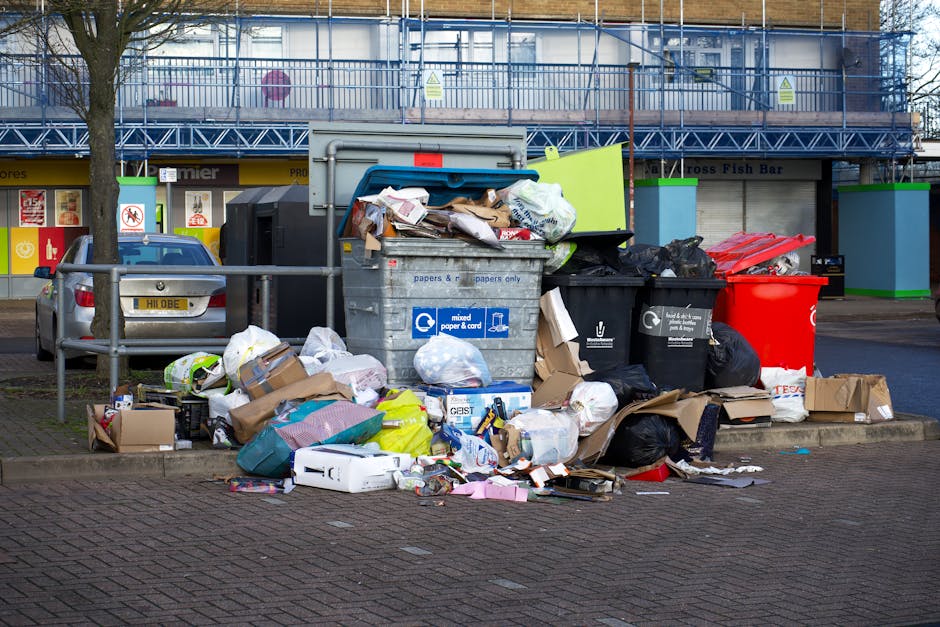
If you live in Catford, have just finished a clear-out, or you're staring at a pile of bags by the front gate wondering what on earth to do next, you're not alone. The rules around Lewisham Council rubbish removal can feel a bit fiddly at first, especially when you're dealing with bulky items, builder's waste, garden cuttings, or a house clearance that has quietly grown arms and legs. This guide gives you Lewisham Council rules for rubbish removal in Catford explained in plain English, so you can avoid fly-tipping trouble, save time, and choose the right disposal route with confidence.
We'll cover what the council expects, where residents often get caught out, how collection and removal options differ, and when a professional service makes life easier. Nothing flashy. Just the practical stuff that matters when the bags are piling up and you want it dealt with properly.
Why Lewisham Council rules for rubbish removal in Catford explained Matters
Rubbish removal sounds simple until you have to do it properly. In Catford, the difference between a smooth clear-out and a headache often comes down to understanding what the council considers acceptable, what needs separate handling, and what could be treated as illegal dumping if left in the wrong place.
Why does this matter so much? Because rubbish left out incorrectly can lead to missed collections, complaints from neighbours, enforcement issues, and in some cases extra costs if the waste has to be removed twice. Let's face it, nobody wants to drag a mattress back inside at 7:30 on a wet Tuesday because it was put out in the wrong way. That is the sort of small inconvenience that turns into a bigger job very quickly.
For Catford households, landlords, tenants, shop owners, and small businesses, the council rules are also part of good local etiquette. The area is busy, with narrow streets, flats, shared access points, and plenty of moving parts. That means rubbish left on pavements or beside bins can become a nuisance fast. Understanding the system helps you keep your property tidy and your neighbours happy. Simple, really. But not always easy.
If you're planning a larger clearance, it can help to look at the wider service picture too. A good starting point is the site's services overview, especially if you're comparing different rubbish removal or clearance options for a one-off job.
How Lewisham Council rules for rubbish removal in Catford explained Works
The council approach is usually built around a few basic ideas: use the correct containers where provided, sort waste sensibly, put items out only at the right time, and do not leave rubbish where it blocks access or creates a hazard. That sounds straightforward, but the details matter.
Household waste typically goes through scheduled collection routes, while larger items or unusual materials may need a different arrangement. Mixed waste is another common stumbling block. A bag of general household rubbish is not the same as broken tiles, old timber, soil, paint tins, fridges, or green waste. Some items can be collected in normal services, some need extra care, and some should never go into a standard black bag. It's a bit of a sorting game, honestly, and the wrong move can cost time later.
In practical terms, the rules often affect three main situations:
- Routine household rubbish such as kitchen waste and everyday bags.
- Bulky items like furniture, mattresses, and broken appliances.
- Special waste streams including garden waste, builders' waste, and items that may require separate handling.
If you're a homeowner doing a seasonal clear-out, or you're moving out of a flat and there's a small mountain of unwanted stuff, the practical choice is often between waiting for the council route or using a dedicated service. For more on how those services fit together, see rubbish removal in Catford and the broader waste clearance options available locally.
Key Benefits and Practical Advantages
Following the rules is not just about avoiding a problem. It brings a few real advantages that are easy to miss when you're in the middle of a messy room or a half-finished DIY project.
- Less stress: You know what goes where, and you're not second-guessing every bag.
- Fewer missed collections: Correctly prepared waste is far less likely to be left behind.
- Better kerb appeal: Important if you're moving, renting out, or selling a property.
- Reduced fly-tipping risk: Proper disposal protects you from accidental non-compliance.
- Cleaner shared spaces: Particularly useful in flats, terraces, and commercial premises.
There's also a quieter benefit: you get a much better sense of control. That sounds a little grand for rubbish, maybe, but anyone who has tried to coordinate a clear-out before a property viewing or renovation will know what I mean. One box at a time, one decision at a time.
For homeowners thinking about property presentation, rubbish removal links directly to how tidy and spacious a home feels. If that's on your mind, these Catford resources may be useful: effective property sales in Catford and the Catford real estate smart buying guide.
Who This Is For and When It Makes Sense
These rules matter to more people than you might think. In Catford, the usual readers fall into a few groups.
- Tenants moving out who need to leave a property clean and avoid deposit disputes.
- Landlords and letting agents dealing with post-tenancy waste or quick turnarounds.
- Homeowners clearing lofts, garages, sheds, or spare rooms.
- Families dealing with bulky furniture or a bereavement-related clearance.
- Tradespeople and renovators with builders' rubble, timber, packaging, or mixed site waste.
- Small businesses and offices disposing of desks, chairs, archive waste, or old equipment.
It also makes sense if you're trying to keep a timeline tight. Maybe you've got a move-out deadline, a Saturday house viewing, or builders arriving first thing Monday. In those moments, waiting around for the next collection can feel painfully slow. That's when a professional clearance can be the calmer option.
For example, someone clearing a two-bed flat near Catford station may have very different needs from someone cutting back an overgrown garden in a terraced rear yard. Both need proper disposal, but not the same approach. That's exactly why local services are often split into categories like house clearance, garden waste removal, and builders waste disposal.
Step-by-Step Guidance
If you want to stay on the right side of the process and keep things simple, use this approach.
- Identify the waste type. Separate general rubbish from furniture, green waste, rubble, electricals, or hazardous materials.
- Check what the council route can handle. Routine household waste is usually the easiest; bulky and mixed waste may need a different solution.
- Prepare items properly. Break down cardboard, bag loose waste securely, and keep sharp or awkward items contained.
- Put bins or bags out at the correct time. Don't leave waste on the street too early. It can attract trouble, rain, and the occasional fox too.
- Use licensed support for larger jobs. If there's a lot to move, or the waste is awkward, a professional removal team can save time and reduce errors.
- Ask for disposal details. A good provider should be able to explain how waste is handled, sorted, and sent for recycling where possible.
A sensible rule of thumb: if the waste would be hard to carry, hard to sort, or hard to explain to a council officer, it probably needs a more considered plan. That is not a legal test, just a practical one.
If you're comparing route options, take a look at pricing and quotes before you decide. It helps to understand whether a one-off collection or a fuller clearance is the better fit.
Expert Tips for Better Results
Over the years, the difference between a smooth waste clearance and a frustrating one usually comes down to preparation. A few small habits go a long way.
- Sort before you call. Mixed waste is slower to remove and sometimes pricier to deal with.
- Keep access clear. A front path blocked by bins, bikes, or a pram means more lifting and more time.
- Photograph unusual waste. Useful when you're getting a quote or checking if something needs special handling.
- Separate reusable items. Not everything needs disposal. Some furniture or household goods may be better donated, sold, or rehomed.
- Book earlier than you think. If you've got a deadline, don't leave it until the day before. That's where the panic starts.
A very common mistake is assuming one bag type suits everything. It doesn't. A bag full of soft household waste is one thing; a bag half-filled with rubble, broken tiles, or wet soil is another. Weight and material both matter.
Another practical tip: if the job feels too big for you, it probably is. People often start with good intentions and a rented car, then realise the sofa will not, in fact, fit through the door at a sensible angle. Humbling, but useful.
For businesses and property managers, it can help to read about office and property-related clean-ups too, including office clearance in Catford if you're clearing desks, filing cabinets, or old workspace furniture.
Common Mistakes to Avoid
Most rubbish removal problems are preventable. The usual mistakes are not dramatic, just irritating.
- Leaving waste on the pavement too early. It can obstruct pedestrians and invite complaints.
- Mixing waste types together. General waste, builders' waste, and garden waste often need different handling.
- Forgetting about heavy items. A damp mattress or a bag of broken plaster is much heavier than it looks.
- Ignoring access issues. Narrow hallways, basement steps, and shared entrances can change the whole job.
- Choosing the cheapest option without checking what's included. Cheap quotes can be fine, but only if they cover the right service.
- Assuming everything can go in one collection. That assumption causes more delays than most people expect.
It's also wise not to leave the disposal decision until the very end of a move or renovation. By that point you're tired, the room is dusty, and the kettle is calling your name. Decisions get sloppy when people are tired. That's just human nature.
Tools, Resources and Recommendations
You do not need fancy kit to deal with rubbish properly, but a few basic tools make life easier.
- Sturdy sacks and boxes for separating waste safely.
- Work gloves for sharp edges, splinters, or broken furniture.
- Marker pen and labels if you're sorting multiple waste streams.
- Dust sheets or old blankets to protect floors and stairwells.
- Phone camera for documenting bulky items before removal.
On the service side, it helps to compare how different clearance options fit your situation. A general rubbish pickup may be enough for mixed household clutter, while a more focused service is better for garden material or building debris. If your job is mainly domestic, you might want to compare waste clearance with the more specific service pages to see which category suits the mess you actually have, not the one you wish you had.
For readers concerned about disposal standards and greener outcomes, the site's recycling and sustainability information is worth a look. It's a sensible reminder that good rubbish removal is not just about taking things away; it's also about what happens after.
If you're choosing a provider, a few non-negotiables matter: clear communication, transparent pricing, sensible handling of waste, and proper insurance. That last point is easy to ignore until something goes wrong. Then it suddenly matters a great deal.
Law, Compliance, Standards, or Best Practice
Rubbish disposal touches a few important areas of UK best practice: preventing fly-tipping, separating waste responsibly, and making sure waste is handled by people who know what they're doing. If you're a resident, the main takeaway is straightforward: do not leave waste in a way that creates an obstruction or suggests illegal dumping. If you're running a business, the duty of care side becomes even more important.
In plain English, duty of care means you should take reasonable steps to make sure your waste is stored, transferred, and collected properly. That includes using reliable carriers, keeping records where needed, and not handing waste to anyone who cannot explain what happens next. Sounds dry. It isn't when a problem lands on your doorstep.
There are also practical standards to follow even when no one is looking over your shoulder:
- Keep rubbish contained and safe.
- Do not block entrances, pavements, or shared access routes.
- Separate items that may need specialist handling.
- Use reputable services that can explain their process clearly.
If you need reassurance on service expectations, insurance and process transparency can matter just as much as disposal itself. The pages on insurance and safety and terms and conditions are useful reminders of the sort of checks you should make before booking any clearance job. Not glamorous, no. But smart.
Options, Methods, or Comparison Table
For most Catford households and businesses, the main question is not "How do I dispose of waste?" but "Which option fits this job best?" This table gives a practical comparison.
| Method | Best for | Advantages | Limitations |
|---|---|---|---|
| Council-style routine collection | General household rubbish in small, manageable amounts | Convenient for regular waste, familiar process | Not ideal for bulky, mixed, or time-sensitive jobs |
| Bulky item removal | Furniture, mattresses, awkward single items | Good for items too large for normal bins | Usually needs planning and may have restrictions |
| Professional rubbish removal | Mixed household waste, office clear-outs, urgent disposal | Fast, flexible, and handled end to end | Can cost more than a basic collection, depending on volume |
| Specialist builders or garden clearance | Rubble, soil, timber, branches, renovation waste | Better suited to the specific waste type | Needs clearer sorting and proper loading |
There's no single best option for everyone. A one-bedroom flat clear-out and a kitchen renovation are different beasts altogether. The trick is matching the method to the waste, not the other way around.
Case Study or Real-World Example
A typical Catford example goes like this. A family is preparing to move out of a terrace house, and the garage has become the final dumping ground for old toys, broken shelving, paint tins, cardboard, and a garden chair that has clearly seen better days. They assume they can sort it all on the weekend. By Saturday afternoon, they've got half a pile bagged, one neighbour asking when the kerb will be clear, and a builder's sack that weighs more than it should. Not ideal.
Instead, they split the job by type first. Household clutter goes in one pile, reusable items in another, and the heavy or awkward waste gets identified separately. They check what can be taken as routine rubbish and what needs a more specialised removal. The key change is not dramatic, just organised. Because the moment the waste is sorted properly, the whole job becomes manageable.
That same approach works just as well for a landlord clearing after tenants, or a shop owner replacing old fixtures. A sensible plan beats panic every time. Every time.
Practical Checklist
Use this quick checklist before you book or set waste out for collection.
- Have you identified the main waste types?
- Have you separated general rubbish from garden, builders, or electrical waste?
- Are any items too large, heavy, sharp, or awkward for normal handling?
- Is access clear for carrying items out safely?
- Do you know whether the job needs a routine collection or a specialist clearance?
- Have you checked the service details, pricing, and terms?
- Have you kept any reusable items aside?
- Have you planned for the timing so waste is not left out too early?
If you can tick most of these off, you're in a much better position. If not, that's okay too. It just means you need a bit more planning before the first bag moves.
Get a free quote today and see how much you can save.
Conclusion
Lewisham Council rules for rubbish removal in Catford explained in plain English come down to a simple principle: sort waste properly, dispose of it responsibly, and choose the right route for the job. Routine household rubbish is one thing. Bulky, mixed, or time-sensitive waste is another. Once you know the difference, the whole process becomes much less stressful.
For many Catford residents, the smartest move is a balance of council guidance, good preparation, and a practical local removal service when the job needs more than a standard bin collection. That approach saves time, reduces risk, and keeps your home or premises looking clean and cared for. And honestly, that last part matters more than people admit.
Whether you're clearing after a move, tackling a garden project, or sorting out renovation debris, a little structure goes a long way. One careful decision now can spare you a messy afternoon later. That's usually the better deal.



 Tipper Van - Rubbish Removal and Garden Clearance Prices in Catford, SE6
 Luton Van - Rubbish Removal and Garden Clearance Prices in Catford, SE6